AGP Executive Report
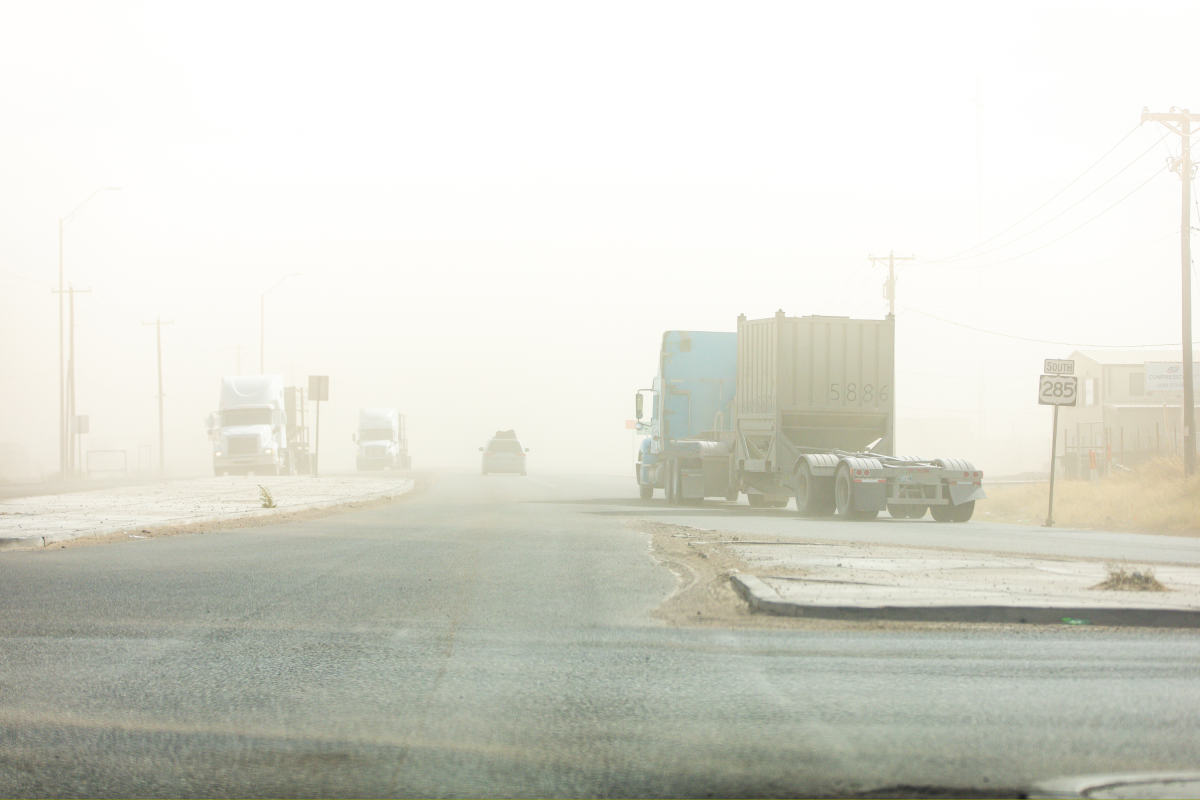
Last update: 10 hours agoAir Quality Alerts: Parts of Texas, Louisiana, and Arkansas are under EPA AirNow air quality alerts, with pockets rated “unhealthy” to “very unhealthy,” raising health risks—especially for kids, older adults, and people with asthma or heart/lung conditions. Coastal Flood Protection: New Orleans engineers are using Bentley digital tools to digitize flood defenses, building a “digital twin” of the 17th Street Canal Pump Station to better model severe flooding and keep critical infrastructure running as seas rise. Climate Policy in Louisiana: Louisiana’s climate plan still sits on the books after the state’s political shift, but lawmakers face a tough fight over whether to ditch it—especially around carbon capture and sequestration. Wildlife & Litter Rule: Louisiana’s new law bans intentional outdoor balloon releases starting Aug. 1, with exemptions for accidents, biodegradables, and certain scientific uses—amid grief and wildlife concerns. Plastic Pollution: A Great Lakes report highlights plastic “nurdles” washing into storm drains and Lake Erie, underscoring how Gulf and river shipments can end up as litter. Hurricane Communication: The National Hurricane Center is leaning on short social videos to cut through storm hype and misinformation.
Note: AI summary from news headlines; neutral sources weighted more to help reduce bias in the result. Feedback is welcome. Please let us know if you have any comments or suggestions about the AGP Executive Report.



 Perspectify News